

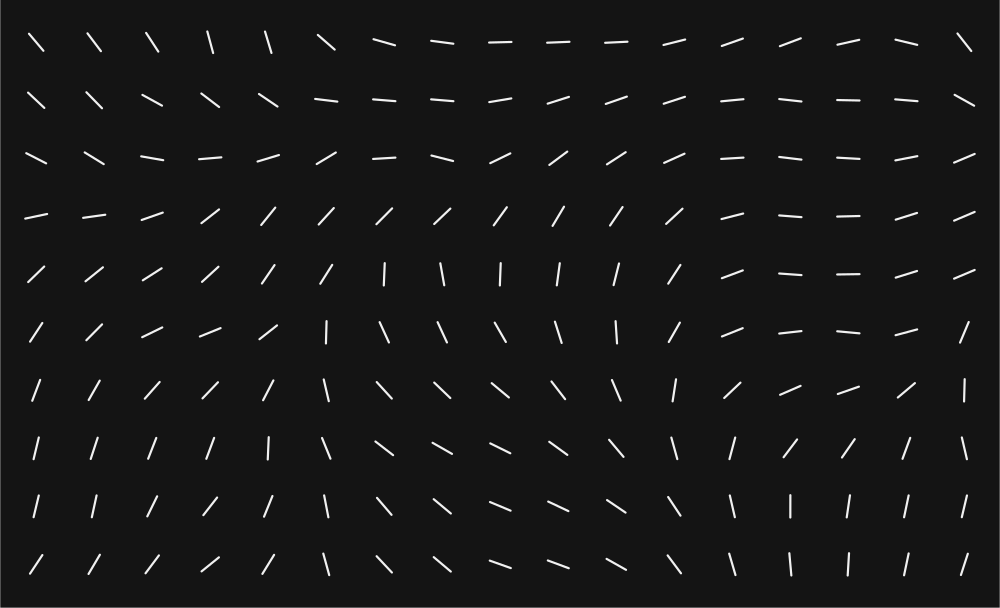
Generative art is a creative practice where artists use systems, rules, or algorithms to produce visual (and sometimes auditory) outcomes. Instead of crafting each detail manually, the artist defines a framework and allows the system to generate the final result.
What is Generative Art?
This approach shifts the role of the artist from direct creator to system designer. The outcome is often unpredictable, producing results that feel both intentional and surprising.
What Defines Generative Art?
At its core, generative art relies on process over outcome. The artist creates a set of instructions that determine how the artwork is formed. Common defining characteristics include:
- The use of algorithms or rule-based systems
- A degree of randomness or variation
- Outputs that change with each execution
- A focus on structure rather than final form
These systems can be as simple as repeated geometric patterns or as complex as evolving simulations.
Tools and Mediums
Generative art can be created using a wide range of tools, both digital and analog. While computers are commonly associated with the practice, generative principles existed long before modern software. Typical tools include:
- Creative coding environments
- Mathematical systems
- Physical machines or drawing devices
- Sound generators and synthesis tools
In digital contexts, artists often work with code as their primary medium, treating it as both a creative and conceptual tool.
Structure, Rules, and Randomness
One of the most interesting tensions in generative art is the balance between structure and randomness. Too much structure can feel rigid, while too much randomness can feel chaotic. By carefully tuning these elements, the system can produce outputs that feel cohesive while remaining unpredictable.
Why Artists Use Generative Systems
Generative art allows artists to explore ideas that would be impractical to create manually. A single system can produce hundreds or thousands of unique variations, each slightly different from the last. This approach often leads to discoveries that the artist did not anticipate.
Visual Styles and Aesthetics
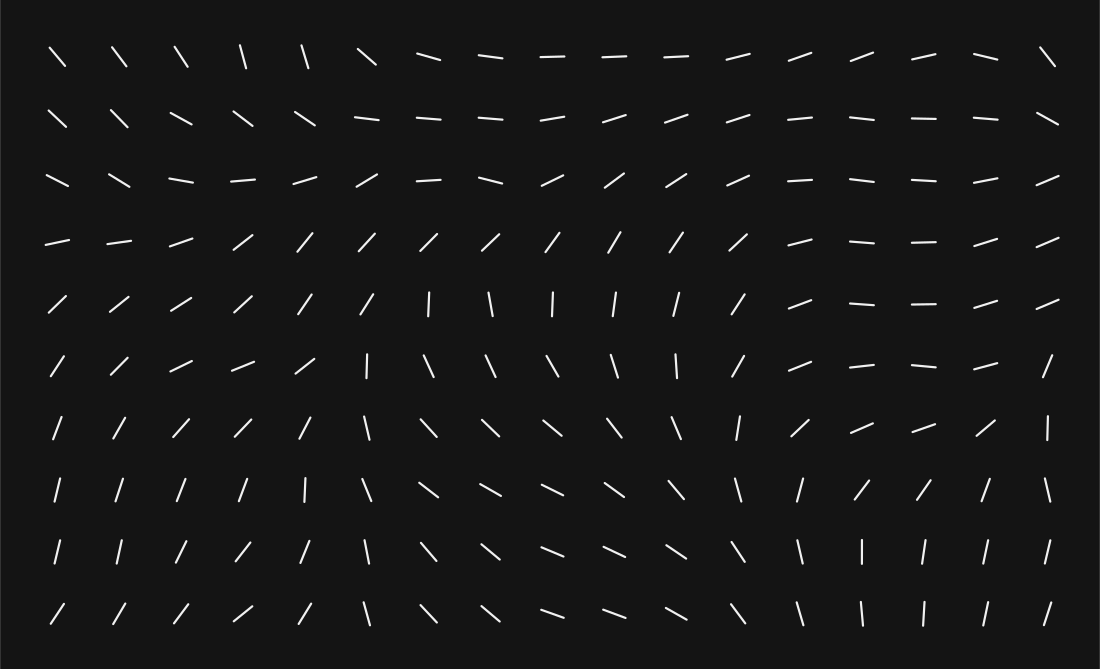
There is no single visual style associated with generative art. Outcomes can range from minimal and geometric to organic and chaotic. Common aesthetic themes include:
- Repetition and pattern
- Emergent forms
- Grid-based compositions
- Natural or biological structures
Because the system defines the artwork, even small changes in parameters can drastically alter the final appearance.
Generative Art as a Process
Unlike traditional art forms, generative art is often valued as much for its process as its final output. The code, rules, or system itself can be considered part of the artwork. This perspective encourages experimentation, iteration, and exploration rather than perfection.
The artwork is not a single image, but the space of all possible images the system can create.
Closing Thoughts
Generative art sits at the intersection of creativity, logic, and chance. By designing systems instead of fixed compositions, artists open the door to endless variation and unexpected results. Whether minimal or complex, digital or physical, generative art invites viewers to consider not just what they see — but how it came into existence.

